
Magnesium Alloy
Machining Services
CNC milling and turning for lightweight magnesium parts. Send your drawings for a review of alloy, geometry and finishing requirements.
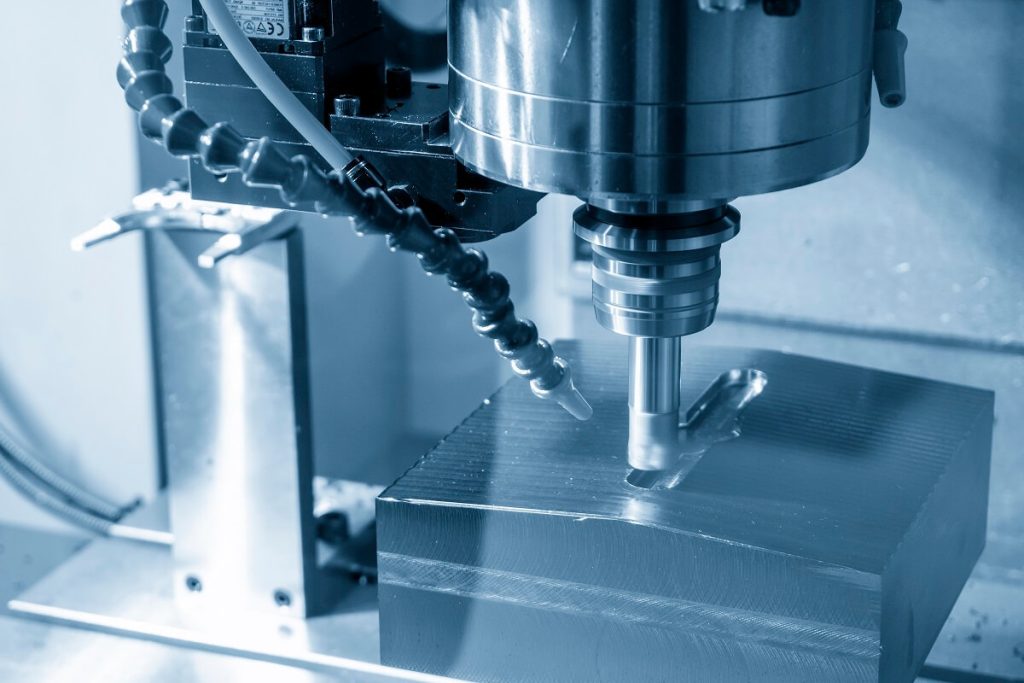
Magnesium parts, planned around your drawing
Magnesium alloy machining is a subtractive manufacturing route for components where weight matters. Unity Manufacture reviews your design, material condition and required quantities to define an appropriate CNC process. Start with a prototype or discuss repeat production; material availability, achievable tolerances, finishing and delivery timing are confirmed in the quotation.
CNC milling
Machine pockets, mounting faces, slots and hole patterns in housings, brackets and lightweight frames. Tool access, internal corner radii and support for thin sections are key review points.
CNC turning
Create rotational features such as bores, shoulders and threaded interfaces. Parts that combine turned and milled features are reviewed for datum control and the required setup sequence.
Secondary machining: Drilling, tapping, deburring and machining selected features on magnesium castings can be included in the review. Casting supply and any specialist process must be confirmed for the project.
From project files to finished parts
Send your files
Share a 3D model, dimensioned drawing, quantity and target delivery date. Highlight the features that matter to fit and function.
Review the design
Confirm the alloy, stock form, machining route, surface protection and inspection scope with the engineering team.
Approve the quotation
Check the agreed specification, price and lead time before authorizing production.
Inspect and deliver
Parts are checked against the agreed requirements and prepared for the specified delivery destination.
Make the important decisions before cutting
- Material defined, not assumedSpecify the full alloy designation, temper and product form so the supplied material matches the design intent.
- Tolerances where they matterIdentify critical fits, datum surfaces and positional requirements instead of assigning a blanket precision claim.
- Geometry reviewed earlyDiscuss slender walls, deep pockets and inaccessible features before they become production constraints.
- Finishing planned with machiningConsider coating buildup, masked surfaces and electrical contact points at the drawing stage.
- Inspection agreed in advanceRequest the material documents, dimensional records and sampling requirements needed for your application.
- A clear quotation scopeKeep quantities, revision levels, packaging and delivery expectations in one approved specification.
Magnesium alloys and stock forms
Alloy names alone do not define part performance. The following grades are useful starting points for discussion, not a live inventory or a guarantee of availability.
| Alloy | Material route | What to confirm |
|---|---|---|
| AZ31B | Rolled plate, sheet or other specified machining stock. | Product standard, temper, orientation and required mechanical properties. Cast machining stock is not automatically equivalent to wrought plate. |
| AZ91D | A magnesium alloy commonly associated with high-pressure die casting. | Casting condition, machining allowance, datums and acceptance of exposed porosity when features are machined. |
| AM60B | A die-casting alloy used where ductility is an important design consideration. | Part-specific property requirements and casting quality. Do not substitute it for AZ91D without engineering approval. |
Another grade specified? Include its complete designation and governing specification with your enquiry. The team will confirm sourcing and process suitability before accepting the requirement.
Material references: Luxfer AZ31B data and Oak Ridge National Laboratory alloy comparison.
Surface protection is part of the specification
Choose the finish for the operating environment, assembly and required appearance. A process familiar from aluminum machining should not be assumed suitable for magnesium.
Finishing routes to discuss
- As-machined: Define roughness, edge condition and any temporary protection required during storage or transport.
- Conversion treatment and paint: A compatible pretreatment may be used as part of an agreed protective coating system.
- Specialist anodic or PEO treatment: Review magnesium-compatible processes against corrosion, wear and dimensional requirements.
Details that affect the result
- State the service environment, including moisture, salts and contact with dissimilar metals.
- Identify masked threads, bores, bonding areas, sealing faces and electrical contact surfaces.
- Agree coating thickness, color, testing and inspection criteria before production.
Finishes are subject to alloy compatibility and project confirmation. A cosmetic finish alone does not establish corrosion performance.
Have a magnesium component to make?
Send your drawing, alloy, quantity and finish requirements. We will review the project and confirm a manufacturing route.
Magnesium machining: an engineering overview
Magnesium alloy CNC machining uses controlled cutting operations to create a component from specified stock or to finish selected features on a casting. The material is attractive for weight-sensitive designs, but a successful part depends on more than low density. The alloy condition, geometry, joining method, surface protection and inspection plan all need to work together. A drawing-led review helps establish these requirements before the manufacturing route is fixed.
For a prototype, machining can avoid the need to commit immediately to dedicated casting tooling. For a cast production component, machining may be reserved for features such as mating faces, precision bores and threads. These are different routes with different starting conditions. A machined prototype should not be treated as automatic proof that a later casting will have identical properties or behavior.
Define the starting material
A purchase specification should identify the alloy, product form and condition as well as any governing material standard. AZ31B plate and a cast billet of similar composition are not interchangeable simply because their alloy labels look familiar. Ask which material documents are required, whether mechanical properties must be certified, and whether stock orientation matters to the component. If a design calls for a particular grade, any proposed alternative should be reviewed and approved before material is ordered.
For customer-supplied castings, provide the casting drawing as well as the final machined-part drawing. Machining allowances, locating surfaces and the permitted condition of exposed internal features should be clear. Removing a casting surface can reveal porosity that was not visible beforehand. Where a part must seal, carry load or meet a particular inspection requirement, define the acceptance criteria instead of relying on visual appearance alone.
Design for stable machining and assembly
Thin sections and long unsupported features can respond differently during clamping, cutting and measurement. Discuss which surfaces can be used for workholding and where the functional datums belong. Keeping unnecessary depth out of pockets and allowing practical internal corner radii can improve tool access. For threaded features, include the thread designation and usable engagement, plus any insert or repeated-assembly requirement. These details help the team evaluate the complete component rather than just its outside shape.
- Critical dimensions: Mark the fits and geometric relationships that control the assembly.
- Surface requirements: Identify sealing, bearing and cosmetic areas separately.
- Edge conditions: Define burr removal, chamfers and any edges that must remain sharp.
- Revision control: Ensure the model, drawing and quotation refer to the same design revision.
Treat machining safety as a process requirement
Magnesium chips and fine particles can present a combustible-metal hazard. Heat generation, chip accumulation, collection and storage therefore need a magnesium-specific risk assessment. Cutting fluids also require compatibility review; a general-purpose coolant must not be assumed suitable. This page is not an operating or fire-response procedure. Machining should be carried out by trained personnel using an approved process, appropriate equipment and the applicable safety requirements.
For background, the material producer’s magnesium machining guide discusses tooling, coolant compatibility and chip handling. Its guidance supports process planning, but does not replace a facility-specific assessment or prove that a particular supplier holds a safety certification.
Plan protection and inspection together
The final finish needs to match the environment in which the component will operate. Moisture exposure, dissimilar-metal contacts and damage to a coating can change the protection needed. Identify which areas must remain conductive, which surfaces will be bonded or sealed, and where an added coating thickness would affect the fit. State the required finish specification and verification method when these are important to product performance.
Dimensional inspection should use the same datums and acceptance conditions as the drawing. Request a specific report format or first-article scope if your receiving process needs it. Documentation is most useful when agreed before production, with a clear link between the part revision, the material and the measured features. Any regulatory or industry-specific approval remains a separate requirement that must be explicitly established for the application.
Compare the complete manufacturing route
The lowest component weight is not always the lowest total project cost. Material procurement, stock removal, fixturing, coating, inspection and assembly can all influence the quotation. Send the intended quantity and likely repeat demand, not only the prototype count. If you are comparing magnesium with aluminum or another material, explain the design constraint that drives the choice, such as mass, stiffness or operating environment. This makes the comparison meaningful and avoids choosing an alloy solely from a general property table.
To begin, provide a 3D model and a drawing containing the requirements that a model cannot fully communicate. Include quantity, alloy condition, finish, inspection needs and destination. Where a detail is still undecided, identify it as an open requirement. Unity Manufacture can then review the enquiry against a defined scope and return a quotation for the agreed work, with any exclusions or assumptions made visible before you place the order.
Magnesium machining questions
Is magnesium always a better choice than aluminum?
No. Compare the complete design and manufacturing route, including stiffness, environment, joining, stock availability and finishing. Weight reduction is only one selection criterion.
Can you quote AZ31B parts and machined magnesium castings?
Send the full material specification and drawings for review. For AZ31B, identify the required stock form and temper. For castings, include the as-cast and final drawings. Availability and acceptance of the work are confirmed in the quotation.
What machining tolerances and lead times are available?
These are confirmed after reviewing geometry, material, quantity, finish and inspection requirements. Mark critical dimensions on your drawing and include the date you need the parts; no single tolerance or lead time applies to every magnesium component.
Does magnesium need a protective coating?
Protection depends on service conditions and assembly design. Describe the moisture exposure, dissimilar-metal contacts and required appearance so the finishing system can be evaluated. Include any specified corrosion test or finish standard.
What should I send with my quotation request?
Provide the 3D model, dimensioned drawing, quantity, alloy and condition, finish, critical features, inspection requirements and delivery destination. Use the contact page to share your project requirements and arrange the appropriate file-transfer route.
Related machining services
CNC machining
Review milling, turning and the broader manufacturing workflow for custom components.
Titanium machining
Explore a different material route when your design specifies titanium rather than magnesium.